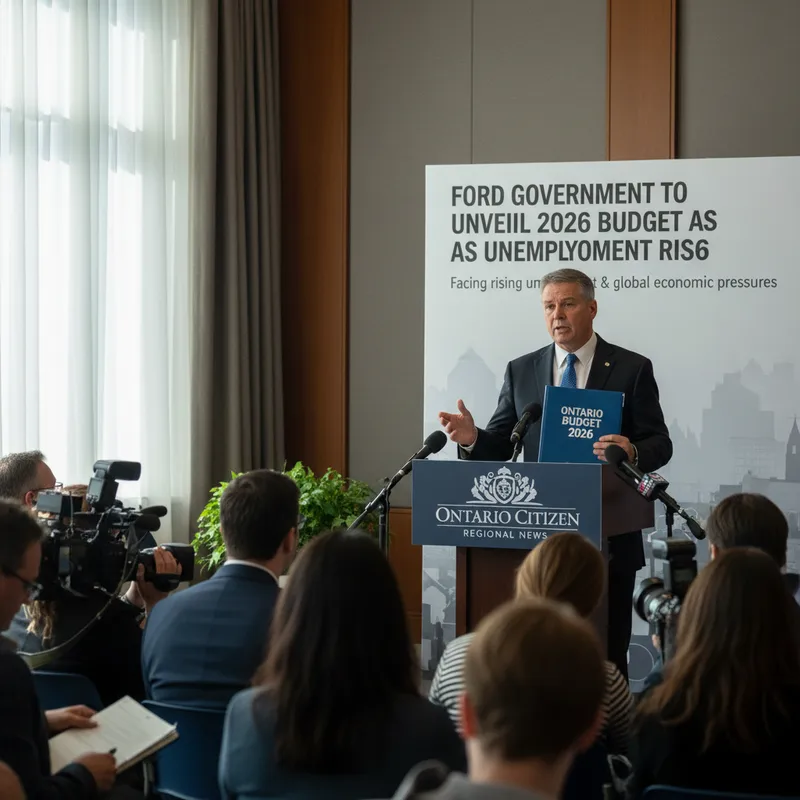
Ontario Finance Minister Peter Bethlenfalvy will rise in the legislature at 4 p.m. today to table the Progressive Conservative government's eighth budget, a fiscal plan crafted amidst a backdrop of rising unemployment and significant economic headwinds.
Premier Doug Ford has spent the weeks leading up to the release signalling his government’s primary focus is on the economy. With a provincial unemployment rate that has climbed to 7.6 per cent and ongoing uncertainty from U.S. trade tariffs, the budget is expected to balance new spending promises with measures aimed at stabilizing Ontario's finances.
The spending plan arrives as the province navigates a complex economic environment. While the Financial Accountability Office of Ontario (FAO) noted that the province's GDP growth was better than expected in 2025 and that a recession was likely avoided, other indicators paint a more challenging picture for the year ahead.
Economic pressures mount on province
The province's labour market has shown signs of strain, with the unemployment rate reaching 7.6 per cent in February, a steady increase since the middle of 2023. This has coincided with the lingering effects of U.S. President Donald Trump's tariffs, which have disproportionately affected Ontario's trade-exposed industries.
During the second and third quarters of 2025 alone, the province shed nearly 40,000 jobs in the critical auto, steel, and aluminum sectors. While the economy has shown some resilience, these job losses have created significant pockets of economic distress.
Compounding the domestic challenges are global events, including the war in Iran that continues to exert upward pressure on fuel prices. Furthermore, with critical free trade negotiations for the Canada-United States-Mexico Agreement (CUSMA) looming this summer, the government faces a highly unpredictable landscape in which to forecast revenue and expenses.
A focus on protection and prudence
In recent public appearances, Premier Ford has been clear about his administration's intentions. "It's all about protecting communities, protecting their jobs," Ford said of the upcoming budget. "It's about the economy, making sure people can bring home a paycheque. It's absolutely critical."
What remains to be seen is how these protections will materialize. Last year, the government implemented $14 billion in targeted aid, primarily through temporary tax deferrals for businesses hit hard by tariffs. Those measures expired last fall, leaving many to wonder what, if anything, will replace them. A previous article has already detailed how Doug Ford prepares his 8th Ontario budget as tariffs and deficits bite.
I think they would be well served by being explicitly quite prudent in this budget.
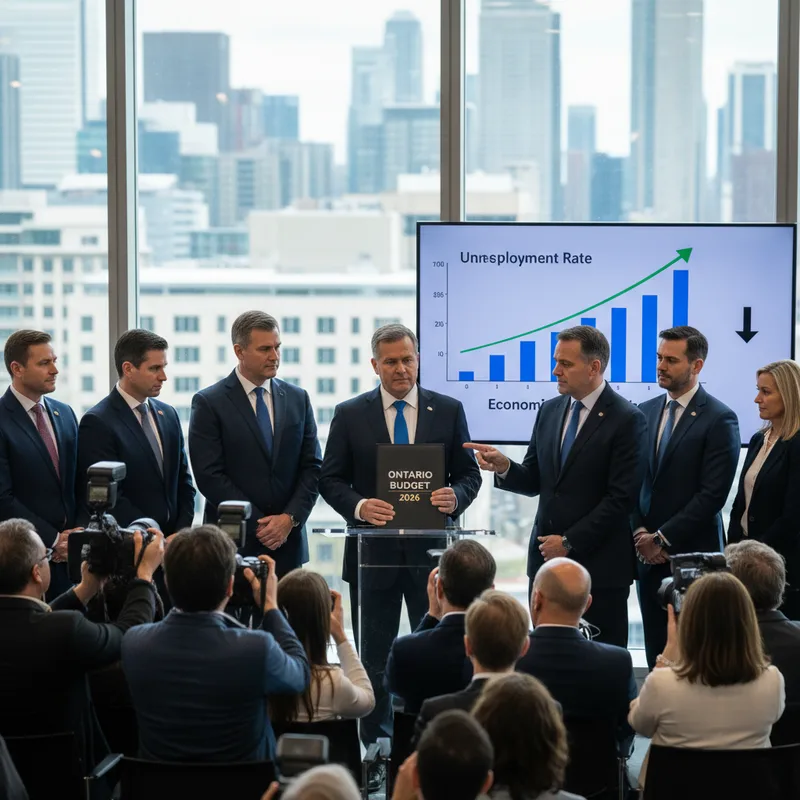
Brian Lewis, the province’s former chief economist, suggests the government may take a different approach this year. He anticipates the budget will include a substantial contingency fund, potentially worth several billion dollars, to provide the government with the flexibility to respond to sudden economic shocks, such as a negative outcome in the CUSMA talks.
Spending promises and infrastructure questions
The Ford government has made a series of high-profile spending announcements in the lead-up to today's budget. These include a plan to give purchasing cards to teachers for classroom supplies and a popular promise to have the province cover the HST on new home purchases to stimulate construction.
However, since budgets are prepared months in advance, it is not guaranteed that full costing and implementation details for these recent promises will be included in the main budget documents. Ontarians will be watching closely to see if dollar figures are attached to these pledges.
Similarly, questions remain about the province's ambitious infrastructure plans. While the government's previous budget committed billions to transit and highways, specific costs for some of its biggest proposals are still unknown. A prime example is the proposed tunnel under Highway 401, a key plank from Ford's 2025 re-election campaign. To date, the only confirmed spending on what could be one of Ontario's largest-ever infrastructure projects is $9.1 million for a feasibility study.
Debating the dollars for health and education
A recurring theme for the Progressive Conservative government is its claim of making 'record investments' in core services like health care and education. While technically true that the total dollar amounts are higher than under previous governments, critics argue this framing lacks crucial context.
Since 2020, Ontario's population has grown by nearly 1.5 million people, dramatically increasing demand for public services. This population boom, combined with periods of high inflation over the past eight years, has significantly increased the cost of delivering the same level of service.
Opposition parties and other critics contend that government spending has failed to keep pace with these combined pressures, leading to strained hospital capacity and under-resourced schools. Concerns over education funding come as the government also plans 'significant change' for school boards across the province.
Opposition prepares for budget battle
Ontario’s opposition parties are poised to scrutinize the budget's details immediately following its release. The NDP, Liberals, and Greens have consistently pressured the government to do more to address affordability and the rising cost of living.
They argue the Ford government has not done enough to support Ontarians struggling to make ends meet or to tackle the causes of the province's rising unemployment rate. Each party will hold press conferences this afternoon to give their official response to the 2026 budget, setting the stage for renewed debate at Queen's Park.
The full details in the budget documents will reveal how the government plans to navigate the turbulent economic waters of 2026 and whether its spending priorities align with the needs of a province facing growing challenges.