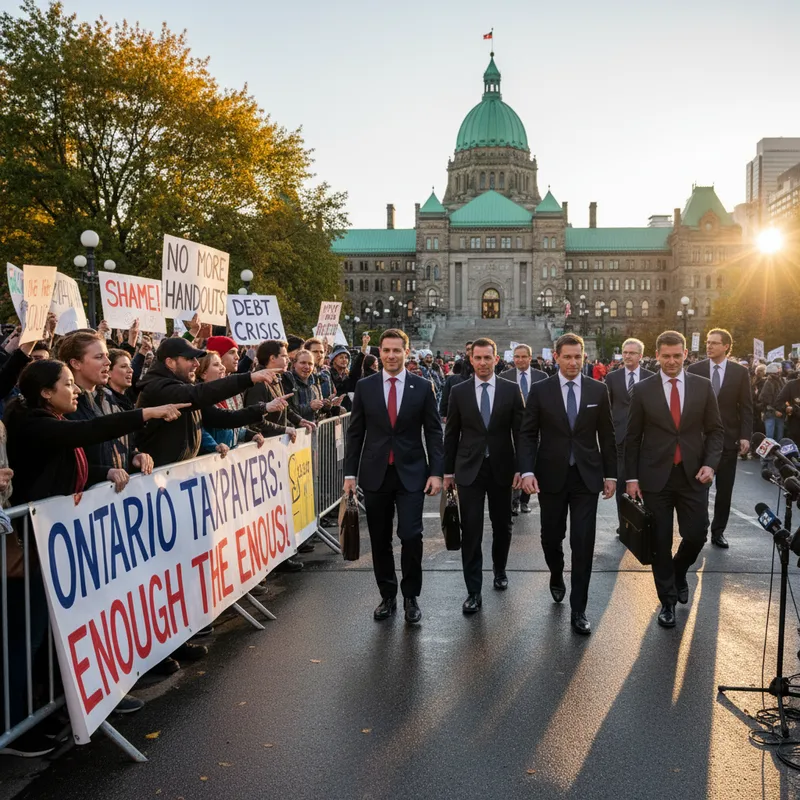
Ontario's Members of Provincial Parliament (MPPs) are receiving another taxpayer-funded pay increase this year, a 3.8 per cent bump that follows a substantial salary hike just last year. The move has ignited renewed criticism from watchdog groups and the public, who question the timing of the raise as the province's debt continues to climb.
The automatic annual adjustment will see Premier Doug Ford's salary increase to $292,752, while his cabinet ministers will now earn $232,340. The increase means even a backbench MPP with no additional responsibilities will see their salary rise to $163,275. This comes as the government projects it will add another $25.8 billion in debt this year, a figure critics say makes the pay hikes difficult to justify.
The Canadian Taxpayers Federation (CTF) has been the most vocal opponent of the salary increase, highlighting widespread public disapproval. According to polling conducted by Leger for the CTF, 86 per cent of decided Ontarians are against the MPPs taking another raise.
Taxpayer group condemns 'loathsome' raise
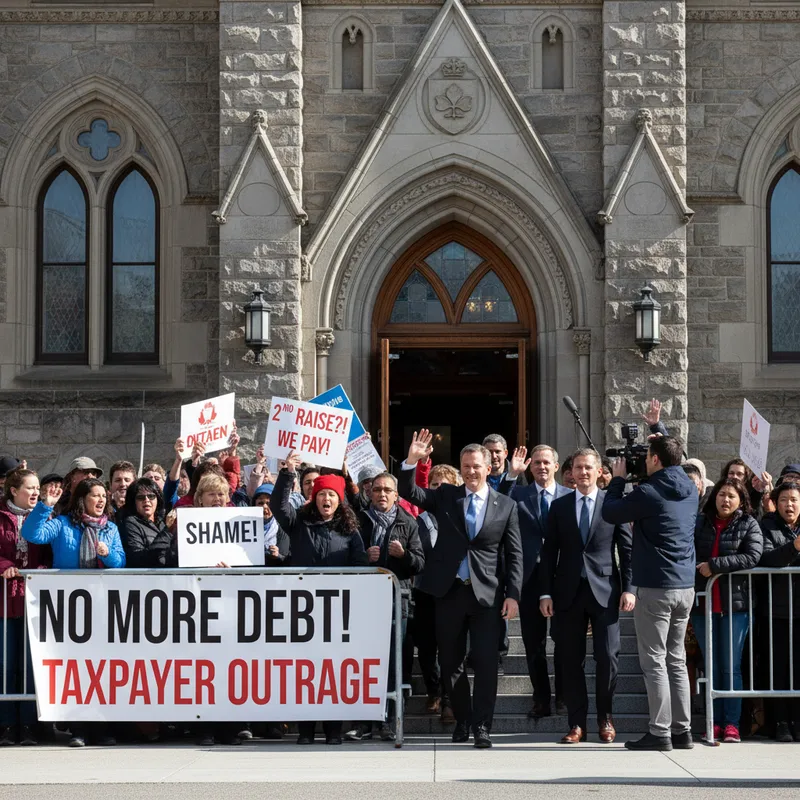
The CTF slammed the decision, arguing that politicians should not be enriching themselves while ordinary citizens face economic pressures and the government borrows billions. The organization pointed out that this latest increase comes on the heels of what it termed a 'super-sized' pay raise for MPPs last year.
Taxpayers are outraged that MPPs are taking yet another pay raise after taking a super-sized pay raise last year. It’s especially loathsome that provincial politicians are sticking their hands out for more when the government is saddling taxpayers with an additional $25.8 billion in debt.
The salary adjustments are not uniform across the legislature, as many MPPs hold additional roles that come with higher pay. The 3.8 per cent increase will add between $5,925 and $10,623 to their annual earnings, depending on their position.
"MPPs are ignoring the people of Ontario and stuffing their pockets with more taxpayer cash," said Jarvis. "Politicians need to remember that they’re elected to serve their constituents, not the other way around."
A closer look at the new salaries
Under the new structure, Premier Doug Ford’s salary will rise to $292,752. His 28 cabinet ministers, including figures like Nipissing MPP Vic Fedeli and Simcoe North MPP Jill Dunlop, will see their pay rise to $232,340. The eight associate ministers, such as Parry Sound-Muskoka MPP Graydon Smith, will now earn $194,624.
The raises also extend to opposition members. NDP Leader Marit Stiles is set to receive a $9,196 increase, and interim Liberal Leader John Fraser's pay will rise by $8,040. Other roles, including the speaker of the house, committee chairs, and party whips, will also receive corresponding salary boosts.
Last year's increases were even more significant. According to the public sector salary disclosure, commonly known as the Sunshine List, Minister Fedeli’s earnings jumped 29 per cent, from $165,851 to $213,940. Similarly, Timiskaming-Cochrane MPP John Vanthof, the Opposition House Leader, saw his pay increase by 29 per cent to $177,857. These large jumps were a result of a new system MPPs voted for, which also included a new 'gold-plated' pension plan similar to what federal MPs receive.
Tied to federal pay, detached from public opinion
The annual salary adjustments for Ontario's MPPs are no longer a matter of a direct vote. MPPs previously voted to tie their salaries to the annual pay raises received by federal Members of Parliament. This automates the process, effectively removing the need for a potentially unpopular vote at Queen's Park each year.
Critics argue this system insulates provincial politicians from direct accountability on their own compensation. While MPPs can technically vote to forego the raise, none have publicly indicated they will do so. The automatic nature of the increase stands in stark contrast to the financial realities facing many Ontarians, where wage growth often fails to keep pace with inflation. The financial strain on the public is evident in various sectors. In healthcare, some hospitals are cutting staff to balance budgets, such as the Chatham-Kent hospital that recently cut 49 positions to manage a deficit. Meanwhile, prospective homeowners are facing dire situations, with some pre-construction buyers facing financial ruin as market conditions change. As residents grapple with these issues, scrutiny over public spending and government priorities has intensified, mirroring concerns about commuter chaos caused by a free travel scheme. In Toronto, for instance, citizens are engaged in fierce debates over municipal decisions, including a controversial AI surveillance proposal in the Rosedale neighbourhood.
The pay raise controversy also brings the Ford government's broader fiscal policies into focus. One commenter on the source material noted, "Ford promised a smaller government as well. This massive spending is anything but a small government." This sentiment reflects a growing concern that government actions are diverging from past promises, particularly as the province's debt load continues to expand.
As politicians' salaries automatically increase, the CTF maintains that the focus should be on fiscal responsibility. The federation continues to call on MPPs to reject the increase and show solidarity with the taxpayers they represent.