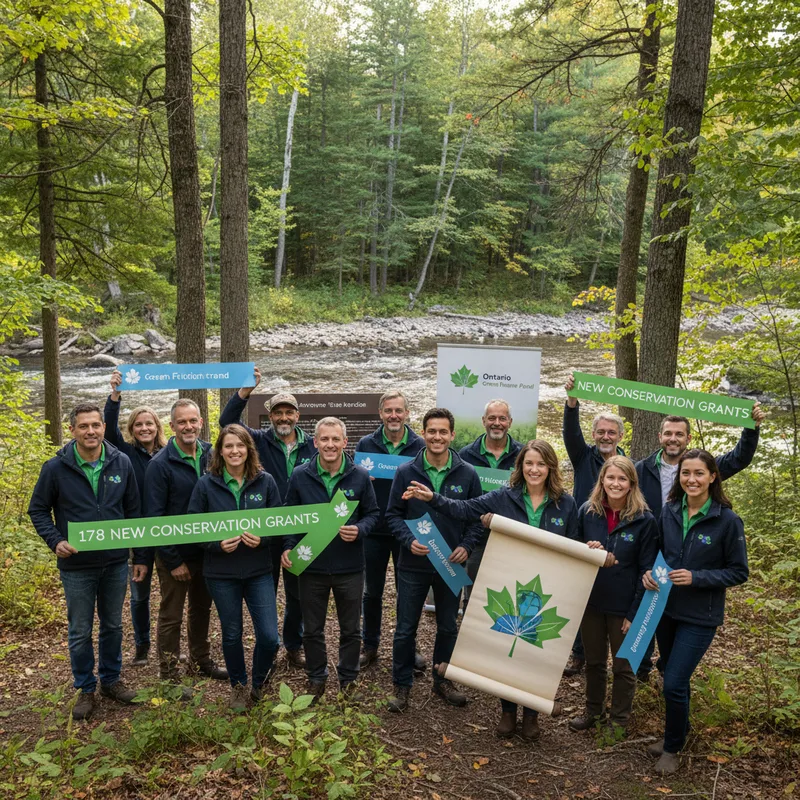
Ontario non-profits and small businesses now have access to a pool of 178 environment and conservation grants. The funding packages cover a range of projects from local park maintenance to large-scale climate change initiatives. GrantWatch data shows the opportunities are open to individuals and government agencies alongside private sector applicants. The grants target specific environmental priorities including watershed restoration and pollution reduction. Many of the programs focus on habitat protection to ensure local wildlife survival in changing conditions. Funding is also available for stewardship programs that encourage residents to take an active role in land conservation. Applicants can seek support for recycling programs and sustainability efforts within their local regions. The scope of the funding extends to environmental education designed to inform the public about ecological risks. This move follows other regional efforts to increase engagement in outdoor activities like those found in hockey participation programs across the province.
Diverse eligibility for green funding
The eligibility criteria for these grants are broader than typical government transfers. While non-profits remain the primary recipients, small businesses can apply for specific funds related to green innovation. Individuals seeking to conduct research or implement small-scale conservation projects on private land also have designated pathways for support. The available funds vary in size depending on the project type. Large capital grants are reserved for significant infrastructure like park facilities or waste management systems. Smaller operating grants are intended to sustain existing conservation groups that rely on consistent funding to pay for staff and equipment. Stewardship is a recurring theme across the 178 listed opportunities. These grants often require a clear plan for how the land or resource will be managed over the long term. This mirrors the focus on longevity seen in other sectors such as when soccer players secure university spots through established provincial pipelines.
Focus on climate and pollution
Climate change initiatives receive the most significant portion of the available funding. These grants are designed to help regional authorities adapt to shifting weather patterns and mitigate environmental damage. Projects might include carbon sequestration efforts or the development of more resilient local energy grids. Pollution reduction is another primary pillar of the grant cycle. Grants in this category fund the cleanup of contaminated sites and the implementation of new technologies to reduce industrial runoff. Organizations can also apply for funding to improve air quality monitoring in urban centres. Watershed restoration remains a critical priority for rural and suburban regions. Protecting the integrity of local water sources involves bank stabilization and the removal of invasive species. These efforts are often coordinated through the Ministry of the Environment, Conservation and Parks to ensure they meet provincial standards.
Global context and local impact
While the 178 grants are specific to Ontario, the environmental challenges they address are part of a global trend. Similar conservation movements are visible in other Commonwealth nations. For example, some Australian regions have prioritised different forms of local recognition such as the war animal commemoration in Dawesville. The funding registry highlights a growing need for environmental support in many jurisdictions. The list of foundations providing these grants includes international donors and local family foundations. This variety offers applicants multiple avenues if they are rejected by primary government lenders. Education remains the final piece of the conservation puzzle. Grants for environmental education aim to build a workforce capable of managing these resources in the future. These programs often take place in schools and community centres where the next generation of ecologists is trained. Organizations interested in the 178 available grants must submit applications through the GrantWatch portal. Most programs have specific seasonal deadlines for the 2024 and 2025 fiscal years. The next round of major application reviews is expected to begin in the coming quarter.