Bauer Hockey and Hockey Canada have launched a new phase of their Grow the Game initiative following a research study that identified why most Canadian families avoid the sport. The partnership aims to add one million new players to hockey globally by 2022. Despite the sport's deep roots in the country, internal figures show approximately 90 per cent of Canadian families currently choose not to enrol their children in hockey. The joint research project found that while many families opt out, there is significant interest in participation. According to the study, 73 per cent of non-hockey families would consider playing in the future. Nearly 40 per cent of those surveyed told researchers they would definitely consider enrolling their child if specific barriers were removed. The findings suggest that the stagnation in participation rates is tied more to perception than a lack of interest. Kevin Davis, president and CEO of Bauer Performance Sports, said the research shows a positive view of the sport among those who do not yet play. He said the focus must now turn to breaking down the obstacles that keep families away from the rink. This effort begins in Canada before expanding to international markets where the manufacturer and the national body hope to replicate the growth model.
Identifying the barriers to entry
The study highlighted four primary reasons why parents hesitate to sign their children up for hockey. Safety concerns ranked high on the list. Many parents said they perceive the game as unsafe and worry about concussions or the belief that the sport promotes violent behaviour. Unlike other youth sports, hockey is often viewed by outsiders as high-risk from an early age. Time commitment also serves as a deterrent for modern families. Respondents cited the requirement for travel and the expectation of a three-day weekly commitment as significant burdens. Many parents said they want options that do not follow a one-size-fits-all model. They expressed a preference for programs that offer less time commitment, similar to the structures found in summer sports like baseball. Affordability remains a consistent issue for families. While Hockey Canada maintains that entry-level players can find affordable equipment, the public perception is that enrolment fees and gear costs are too high. This perception often stops families from even investigating the actual costs of starting out in a local league. Perhaps most surprisingly, the research found that non-hockey families do not perceive the sport as fun. In contrast, sports such as soccer and baseball were almost universally described as fun by the same group of respondents. This lack of a positive casual reputation has contributed to the low growth rates seen across the country over the last several years.
New pilot programs in ontario
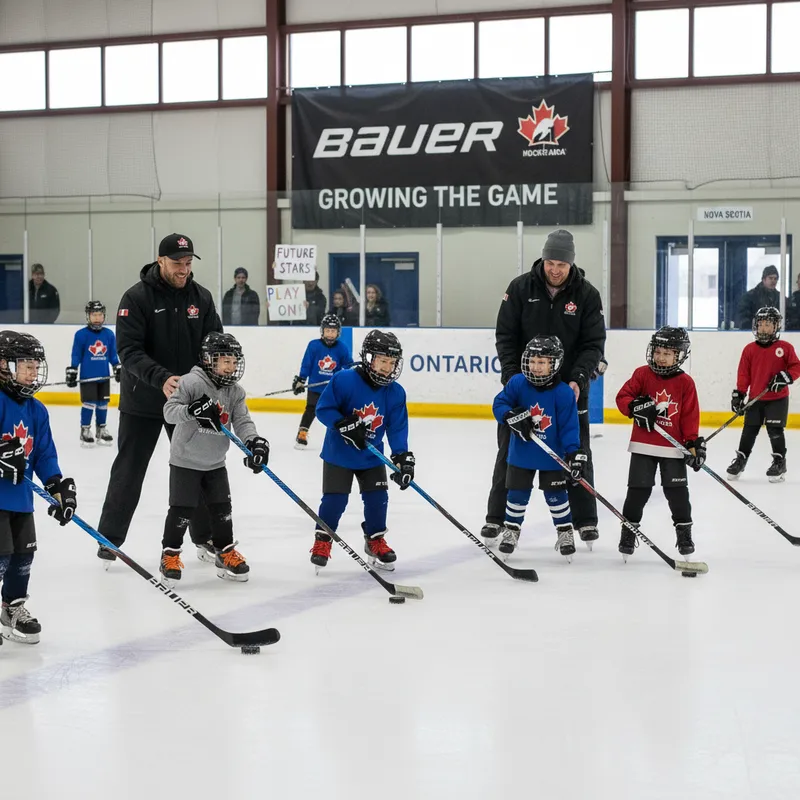
To address these findings, the partnership is launching several pilot programs this autumn. These programs will run in Hamilton and Scarborough, as well as Halifax and East Hants in Nova Scotia. The sessions are designed to be six weeks long and require only one hour of ice time per week. This limited schedule is intended to fit into busy family lives without demanding the travel required by traditional competitive streams. The initiative will also feature specific enrolment days designed to be less intimidating for newcomers. At these events, local governing bodies will provide information on safety and equipment fitting. The goal is to educate parents on how modern gear protects players and to demystify the rules of the game for those who did not grow up in the sport. Paul Carson, vice-president of hockey development for Hockey Canada, said the objective is to ensure youngsters have opportunities to give the sport a try in a safe environment. He said that by eliminating these barriers, more children will have a positive experience that could lead to long-term participation. The pilot programs represent a shift toward a more accessible and recreational version of the game.
Reaching a changing demographic
The research also looked at how new Canadians view the national winter sport. It found that nearly two-thirds of families new to Canada would consider enrolling their children in hockey. About 20 per cent said they were very likely to do so. This demographic shift represents a significant opportunity for growth if the sport can adapt its marketing and program delivery to be more inclusive. Improved communication is a central pillar of the new strategy. The pilot programs will be marketed specifically to reach families who have no previous connection to the sport. This differs from traditional recruitment which often relies on word-of-mouth within existing hockey circles. By targeting non-hockey families directly, the organisers hope to broaden the player base significantly. This push for growth in hockey mirrors efforts in other sports to professionalise and expand their reach. In a similar vein, Ontario soccer players have seen increased pathways to higher levels of play through structured showcase events. Both sports are currently competing for the same pool of young athletes and their limited free time. The success of these programs in Ontario and Nova Scotia will determine the next steps for the Grow the Game initiative. If the shorter, more affordable format proves popular, Hockey Canada and Bauer intend to roll out similar models nationwide. This could lead to a permanent change in how youth hockey is structured in many provinces. Other regions are also seeing shifts in how youth sports are managed to accommodate local needs. For instance, Pāpāmoa hosts record junior surf events after making logistical changes to suit the environment. These shifts toward flexibility and convenience appear to be a broader trend in youth sports management globally. Following the conclusion of the six-week pilot sessions this autumn, organizers will review registration and retention data. The findings will be used to refine the program before a wider national release planned for the following season. Hockey Canada officials expect to present a full report on the pilot outcomes by early next year.