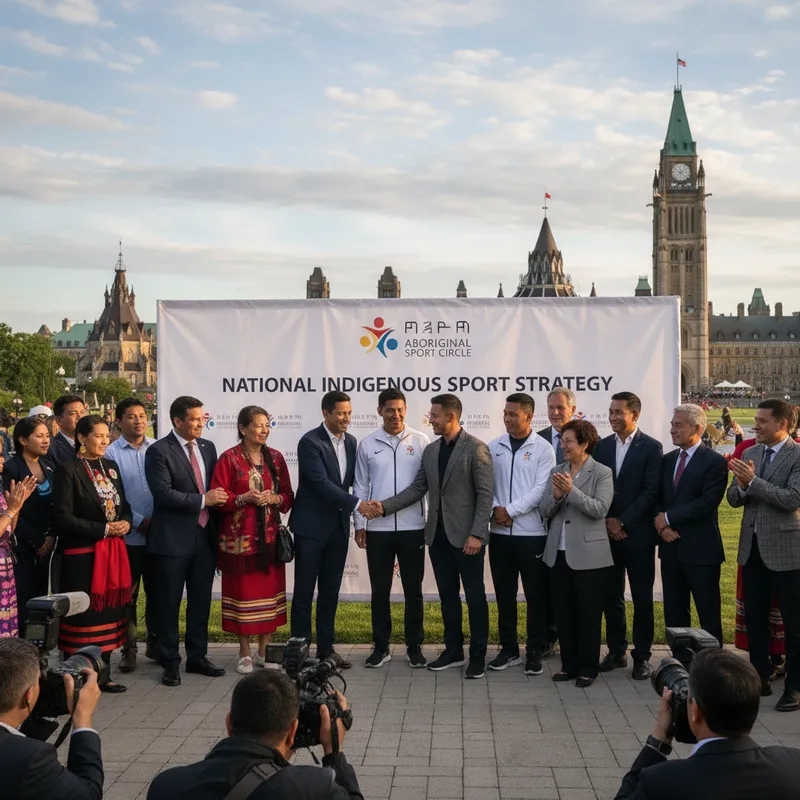
The Aboriginal Sport Circle officially launched the National Indigenous Sport Strategy in Ottawa on Wednesday. The move marks a coordinated effort to reshape how sport is delivered to Indigenous athletes and coaches across Canada. This new strategy serves as a framework for long-term athlete development and leadership. It follows years of consultations with regional partners and national sport organisations. Leaders at the launch described it as a milestone for the Aboriginal Sport Circle (ASC), which acts as the governing body for Indigenous sport in the country. The ASC plans to use the strategy to address gaps in coaching certification and regional competition funding. By creating a unified national platform, the organisation aims to ensure that athletes from remote areas have the same opportunities as those in urban centres.
Focus on athlete pathways
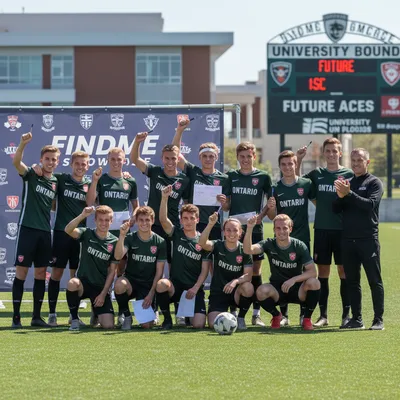
The strategy focuses on establishing clear pathways for youth from grassroots participation to elite international competition. It builds on previous successes, such as the North American Indigenous Games, to create more frequent opportunities for competitive play. Organisations like Aboriginal Sport and Wellness Council of Ontario (ASWCO) are expected to play a key role in implementing these changes at the provincial level. This includes coordinating with schools and local clubs to identify talent early. Early recruitment remains a priority for many regional bodies. This is similar to efforts seen in other disciplines, such as when Ontario soccer players secure university spots after major provincial showcases. The new strategy aims to replicate that visibility for Indigenous athletes in all sports.
Partnerships and funding
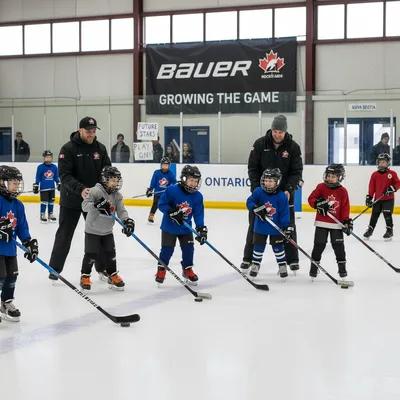
Several corporate and government partners attended the Ottawa launch. Representatives from TD Bank Group, MNP, and the First Nations Health Managers Association were present to show support for the new framework. Government support is also critical to the success of the strategy. The ASC works closely with Sport Canada to align Indigenous-led initiatives with federal sport policies. This coordination helps secure the funding needed for regional tournaments and training camps. Other organisations are also working to lower barriers for young athletes. Recently, Bauer and Hockey Canada launched pilot programs to boost participation in youth hockey. The National Indigenous Sport Strategy aims to complement these types of programs by providing culturally relevant coaching and support.
Expanding the reach of sport
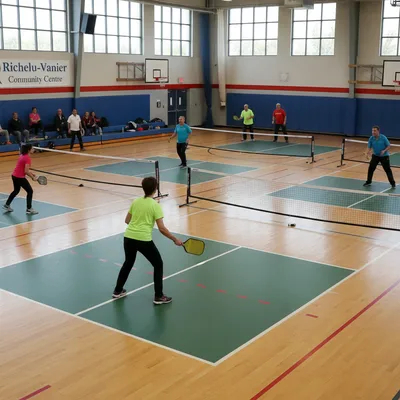
While the launch took place in the capital, the impact is intended to be felt nationwide. The strategy includes provisions for traditional Indigenous games alongside mainstream sports. This dual focus helps maintain cultural heritage while developing athletic skill. The timing coincides with a broader shift in how recreational spaces are managed. In other regions, local governments are re-evaluating their public facilities. For instance, free events headline many public calendars as cities try to make sport more accessible to all residents. The ASC confirmed that the next phase of the strategy involves rolling out regional training sessions for coaches. These sessions will ensure that the national standards set in Ottawa are applied consistently across every province and territory. The Aboriginal Sport Circle will provide an update on the first phase of the rollout at its next general meeting. Further details on specific funding allocations for 2026 are expected to be released in the coming months.