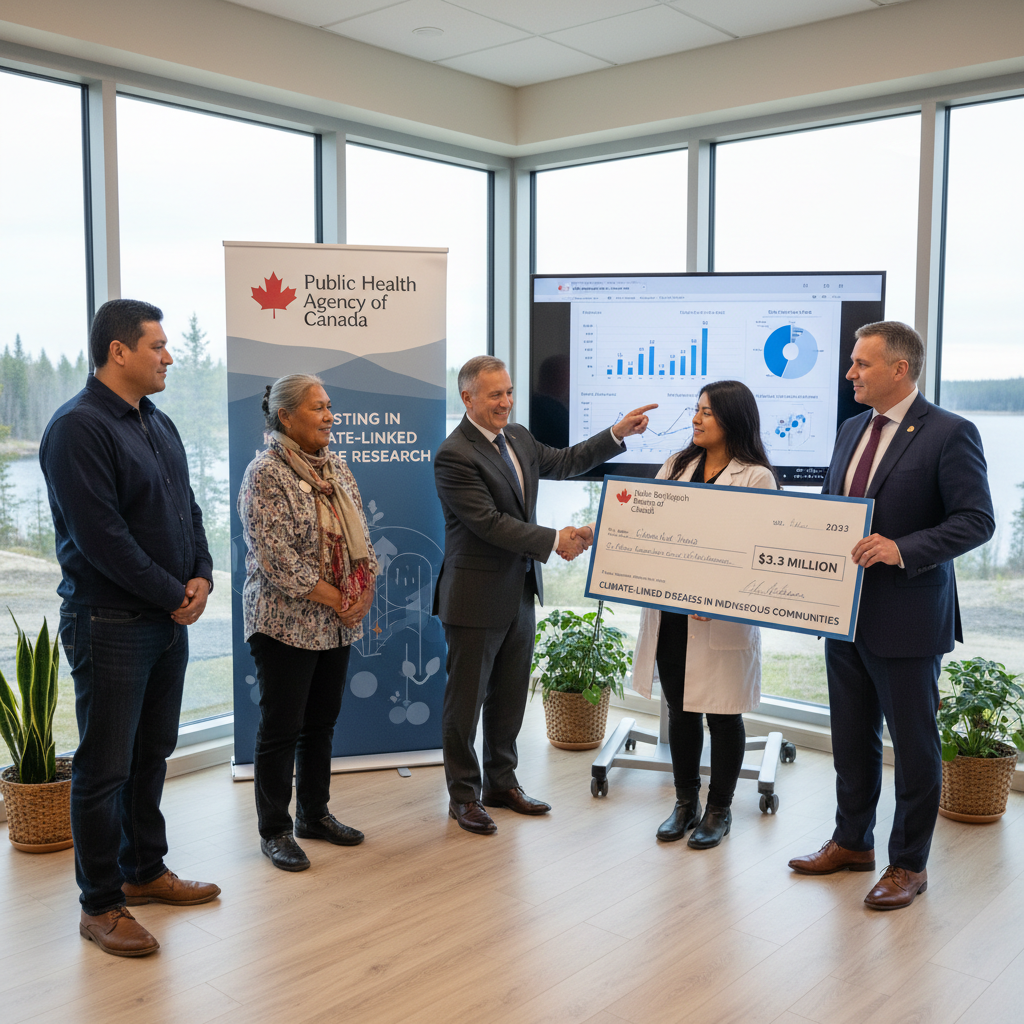
The Government of Canada is dedicating more than $3.3 million over the next three years to combat the growing threat of infectious diseases linked to climate change. The funding, announced by the Public Health Agency of Canada (PHAC), will support five distinct projects aimed at strengthening health resilience, with a strong focus on initiatives led by or developed in collaboration with First Nation, Inuit, and Métis communities across the country.
The investment comes from PHAC’s Infectious Disease and Climate Change Fund, a program designed to address the increasing public health challenges posed by a warming planet. As temperatures rise and ecosystems shift, the patterns of infectious diseases are changing, creating new risks for Canadians. These funds will help communities develop and promote programs that can mitigate the health impacts of these climate-sensitive illnesses.
Scientific evidence shows a clear link between climate change and the spread of infectious diseases. The 2026 World Cup is expected to reflect these issues, according to researchers. According to the World Health Organization, rising temperatures and changing weather patterns can expand the geographic range of vectors like ticks and mosquitoes, which transmit illnesses such as Lyme disease and West Nile virus. Furthermore, extreme weather events like floods can contaminate drinking water sources, leading to outbreaks of water-borne diseases.
Targeted support for diverse needs
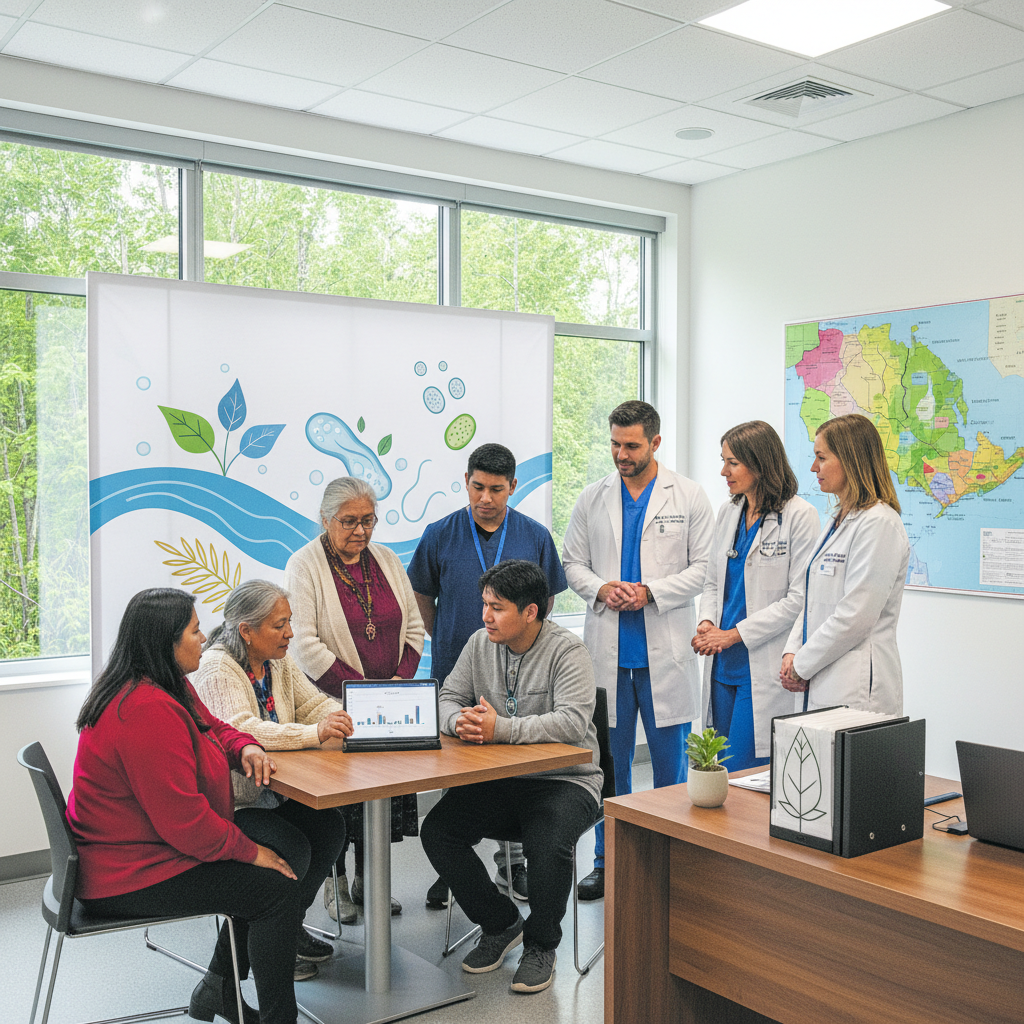
The five projects span the country, from the Northwest Territories to northern Labrador, each tailored to the specific environmental and cultural context of the region it serves. The initiatives acknowledge that Indigenous communities are often at the forefront of climate change impacts, facing unique vulnerabilities due to their close relationship with the land and, in many cases, their geographic remoteness.
The largest single grant, totaling $826,211, has been awarded to Aurora College in the Northwest Territories. The project will focus on developing community-based strategies for managing rabies in the Beaufort Delta Region. Researchers will investigate social, cultural, and economic barriers that currently hinder effective rabies control, including issues around incident reporting and the vaccination of domestic dogs, which can act as a bridge for the disease between wildlife and humans.
In Northern Labrador, the Canadian Red Cross Society will receive $739,191 to improve the well-being and resilience of Inuit communities. This project, undertaken in collaboration with the Nunatsiavut Government, aims to equip frontline healthcare providers with the tools to address knowledge gaps about climate change's effect on infectious diseases. A key component of the initiative is its commitment to developing strategies that are both informed by Western science and grounded in traditional Inuit concepts and knowledge.
A 'One Health' approach
Several projects emphasize a holistic approach that recognizes the deep connections between the environment, animals, and people. The Cree Board of Health and Social Services of James Bay in Quebec has been granted $501,810 for its project, “Tapituwaatisiiwinh.” This initiative will establish a “One Health” community of practice for the Eeyou Istchee territory.
The 'One Health' model is a globally recognized framework that promotes the idea that the health of humans is intrinsically linked to the health of animals and the broader environment. This aligns closely with traditional Cree values and knowledge, and the project aims to increase local capacity to respond to climate-sensitive diseases by reinforcing these interconnected principles.
A similar focus on culturally specific knowledge informs a Canada-wide project led by Les Femmes Michif Otipemisiwak (Métis Women of Canada). With $600,000 in funding, the “Métis Women’s Stories: Climate change, health and healing” project will work to strengthen capacity for culturally grounded infectious disease surveillance, improve health literacy, and foster collective healing within Métis communities.
Empowering frontline health professionals
The fifth project recognizes the vital role of local healthcare providers in public health communication. The Canadian Pharmacists Association will receive $654,658 for its “RxClimate Action” initiative. This Canada-wide project seeks to equip pharmacists with the knowledge and resources to help people who are particularly vulnerable to the health risks driven by climate change.
Working in collaboration with the Indigenous Pharmacy Professionals of Canada, the project will focus on developing culturally relevant and community-specific approaches to care for Indigenous Peoples. This recognizes that pharmacists are among the most accessible health professionals in Canada and are uniquely positioned to provide timely advice and support. This investment complements other recent federal efforts to bolster community well-being, such as the move to double funding for a national school food program.
The health challenges posed by climate change are occurring alongside other significant societal shifts, including fluctuations in urban housing markets. In major centres like Toronto, for instance, some property owners are facing economic pressures completely distinct from the environmental health risks being addressed by the PHAC funding, as reported in the Toronto Sentinel.
The five federally funded projects are now underway and will unfold over the next three years, concluding in 2029. The goal is to develop sustainable, community-led solutions that will build long-term resilience against the health impacts of a changing climate.