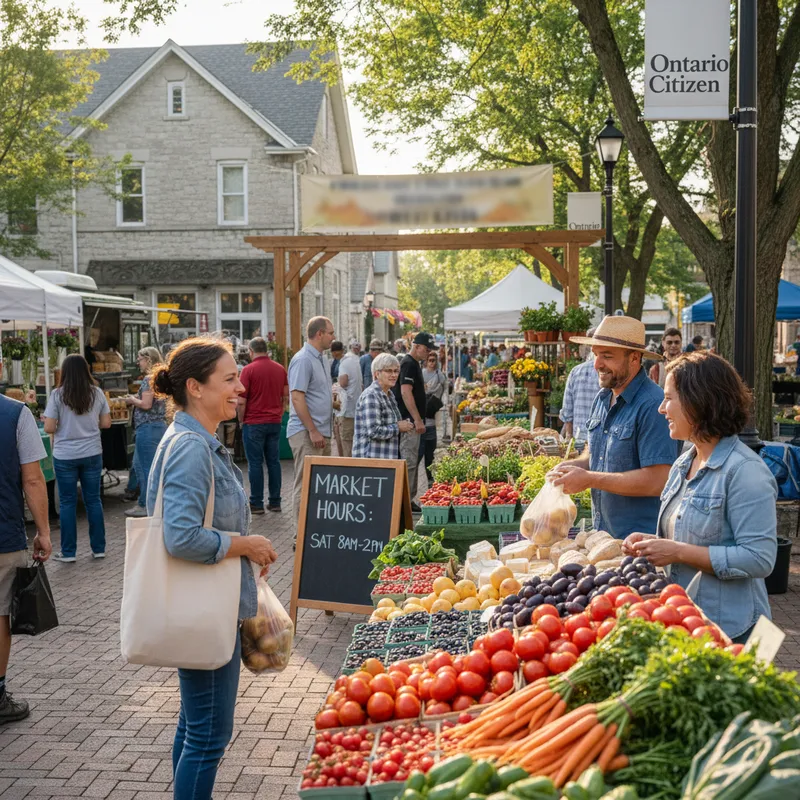
Ontario’s farmers’ markets are one of the easiest ways to turn a weekend drive into a delicious day trip, especially in peak harvest season when Niagara peaches, Norfolk strawberries, Muskoka maple and Eastern Ontario corn all hit their stride. The challenge is not finding a market, it’s choosing the right one for your route, your appetite and your cooler space.
This 2026 guide highlights standout markets across the province that are easy to plan around, whether you’re coming from the GTA, Ottawa, London, Windsor, Sudbury or cottage country. For each stop, you’ll find a practical planning snapshot (address, typical hours and costs), plus the small details that make it unique, like historic market halls, waterfront locations, Mennonite baking, or a strict local-only vendor policy.
Before you go: market schedules can change with the season and weather, particularly for outdoor markets. Confirm the latest hours on the market’s website or social channels the day before you travel. Farmers’ Markets Ontario, the province-wide association, is also a useful directory if you want to build your own route or find something closer to home.
For context and planning, see Farmers’ Markets Ontario’s directory at farmersmarketsontario.com, and Destination Ontario’s overview at destinationontario.com.
Best farmers’ markets in Ontario for a day trip from Toronto
If you’re planning a simple Saturday or Sunday drive, these markets are among the most convenient, with strong vendor lineups and nearby neighbourhoods worth exploring.
- St. Lawrence Market (Toronto), 93 Front St E, Toronto. Hours: South Market typically Tue to Thu 9 a.m. to 5 p.m., Fri 9 a.m. to 7 p.m., Sat 7 a.m. to 5 p.m. (Sunday closed). Cost: free entry. Why go: an iconic indoor market where you can pair Ontario produce with specialty foods and lunch counters. It’s not strictly a farmers’ market stall-by-stall, but it remains one of the province’s most practical “all-in-one” market stops. Tip: arrive early on Saturdays for shorter lines.
- Evergreen Brick Works Farmers Market (Toronto), 550 Bayview Ave, Toronto. Hours: Saturdays, commonly 9 a.m. to 1 p.m. (year-round, with indoor winter operation). Cost: free entry. Why go: ravine setting, strong local sourcing expectations, and a good mix of farms, prepared foods and baking for picnics. Tip: bring a backpack or rolling cart, the walk back to parking can be a haul.
- Downtown Georgetown Farmers Market (Georgetown, Halton Hills), Main Street South, Georgetown. 2026 season hours: Saturdays, June 6 to Oct. 17, 2026, 8 a.m. to 12:30 p.m. Cost: free entry. Why go: small-town main street market energy, easy to combine with a Credit River walk and local cafes. Source: downtowngeorgetown.com.
If you’re pairing a market trip with a bigger city-day itinerary, keep an eye on transit disruption and capital projects. For instance, Toronto planning conversations continue around major infrastructure builds and costs, like Toronto on hook for budget overruns in new Waterfront LRT deal.
Best farmers’ markets in Ontario for historic market halls and year-round shopping
When the weather turns, year-round markets and indoor halls become the most reliable options for local food shopping and day trips that don’t depend on sunshine.
- St. Jacobs Farmers’ Market (St. Jacobs), 878 Weber St N, Woolwich (near Waterloo). Hours: Thursdays and Saturdays (seasonal variations, check ahead). Cost: free entry, parking may apply. Why go: one of Ontario’s best-known markets for Mennonite and local farm culture, baking, preserves and seasonal produce. Tip: show up early for the best selection of baking and prepared foods.
- Hamilton Farmers’ Market (Hamilton), 35 York Blvd, Hamilton (next to Jackson Square). Hours: typically Tue to Sat daytime hours (verify seasonally). Cost: free entry. Why go: an indoor market option with diverse prepared foods plus Ontario farm products, easy to combine with a day in the core.
- Stratford Farmers’ Market (Stratford), 353 McCarthy Rd (Rotary Complex/Agriplex), Stratford. Hours: listed by Farmers’ Markets Ontario as year-round. Cost: free entry. Why go: strong farm-and-bake focus in a classic day-trip theatre town. Source: Farmers’ Markets Ontario year-round markets.
Food-focused trips can also be a good excuse to build a bigger itinerary around Ontario’s dining culture. If you’re mapping patios for later in the day, see The 20 best restaurants and cafes in Mandurah.
Best farmers’ markets in Ontario for Niagara and fruit country
Ontario’s tender fruit belt makes Niagara an easy “buy a case, split it with friends” region, especially in midsummer. Even if you do not have a specific market picked out, you’ll find plenty of farm gates and stands along the route.
Day-trip strategy: plan your trip around what’s in season, like strawberries in early summer, cherries after that, then peaches and plums, and finally apples and grapes into fall. Bring a cooler, and consider pre-ordering with farms when available.
Authority planning link: The province’s Foodland Ontario guides are a helpful seasonal reference for what’s in harvest and how to buy local. Start here: Foodland Ontario.
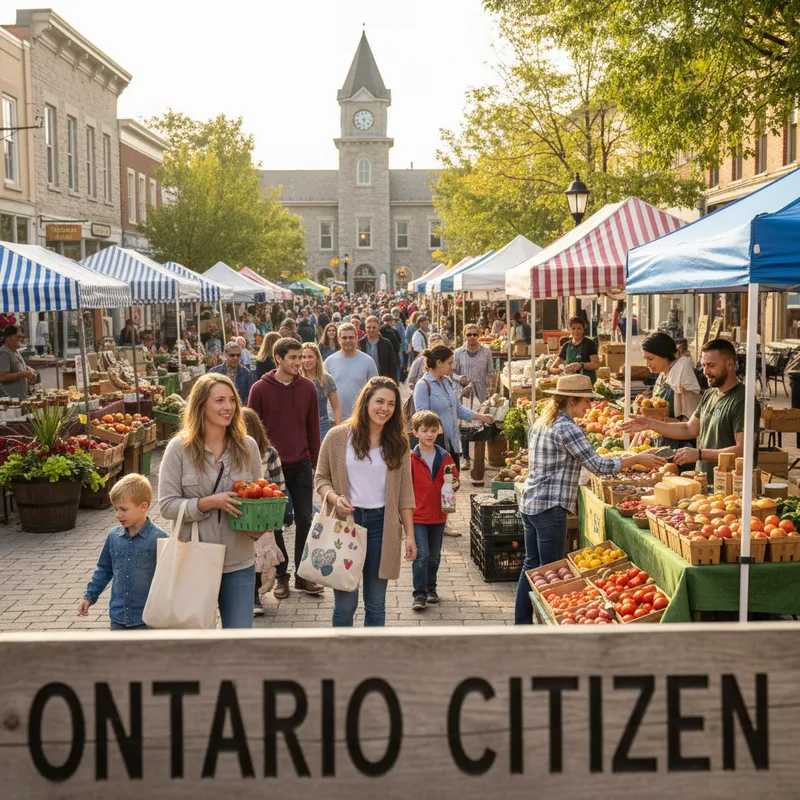
Best farmers’ markets in Ontario for Ottawa and Eastern Ontario day trips
Eastern Ontario markets shine for sweet corn, maple products, small-batch cheeses and a strong local maker scene. Ottawa-area shoppers also benefit from being close to both Ontario and Quebec farm regions, so vendor mixes can be broad.
Planning note: if you’re building a rail-based day trip in 2026, keep an eye on intercity changes and testing schedules. Northern riders are watching the Northlander train begins final testing before 2026 service story closely, and similar expansions can reshape weekend travel.
Best farmers’ markets in Ontario for Southwestern Ontario and Windsor-Essex
Southwestern Ontario is prime farm country, with long growing seasons and an abundance of vegetables, greenhouse produce, and local meats. Markets here can be a full morning activity, especially when you combine them with waterfront parks and wineries.
- Tecumseh Farmers Market (Tecumseh), Lacasse Park, Tecumseh, ON. 2026 dates and hours: third Sunday of the month (June to Oct.), 9 a.m. to 1 p.m. (June 21, July 19, Aug. 16, Sept. 20, Oct. 18, 2026). Cost: free to attend. Why go: a festival-style community market that’s easy to pair with a Windsor-Essex day out. Source: Town of Tecumseh.
Southwestern markets also tend to be great for pantry-stocking, think honey, maple syrup, preserves, and baking you can bring back to the city. If your trip crosses multiple municipalities, remember that public safety or local incidents can affect roads and park access. Ontario travellers have seen that in other contexts, such as Employee arrested after allegedly setting massive Ontario wildfire.
What to buy at Ontario farmers’ markets by season
Spring (April to June): asparagus, rhubarb, early greens, greenhouse tomatoes and cucumbers, local eggs, fresh cheese, plant starts.
Summer (June to August): strawberries, cherries, peaches, blueberries, sweet corn, tomatoes, peppers, field greens, Ontario garlic, flowers.
Fall (September to November): apples, pears, squash, pumpkins, potatoes, carrots, onions, late tomatoes, preserves and baking.
Winter (November to March): storage crops (potatoes, onions, beets), greenhouse greens, meats, baking, prepared foods, maple products.
Destination Ontario’s trip-planning roundups are a handy starting point for seasonal market road trips, especially if you want to add farm gates, bakeries or roadside stands to your route. See Farm markets, bakeries and roadside stands in Ontario.
Tips for planning an Ontario farmers’ market day trip (parking, cash, coolers)
- Arrive early, the best produce and baking often sells out by late morning.
- Bring a cooler, especially for meat, dairy and berries in summer heat.
- Carry cash, most vendors take tap now, but not all.
- Bring reusable bags, plus a tote for jars and a box for peaches.
- Ask about seconds, “canning tomatoes” or “baking peaches” are often cheaper.
If you’re building a food-themed weekend, consider linking your market stops with local dining. For a global perspective on indie dining scenes, our readers also enjoyed Australian Indie Restaurants: A Global Culinary Ascent. It’s not Ontario-specific, but it’s useful for thinking about how local supply chains shape menus.
Cross-site read: If you’re travelling with kids, trip planning often includes “what else can we do nearby?” For a different kind of comparison guide, see Melbourne's best schools in 2026: a parent’s guide to comparing.