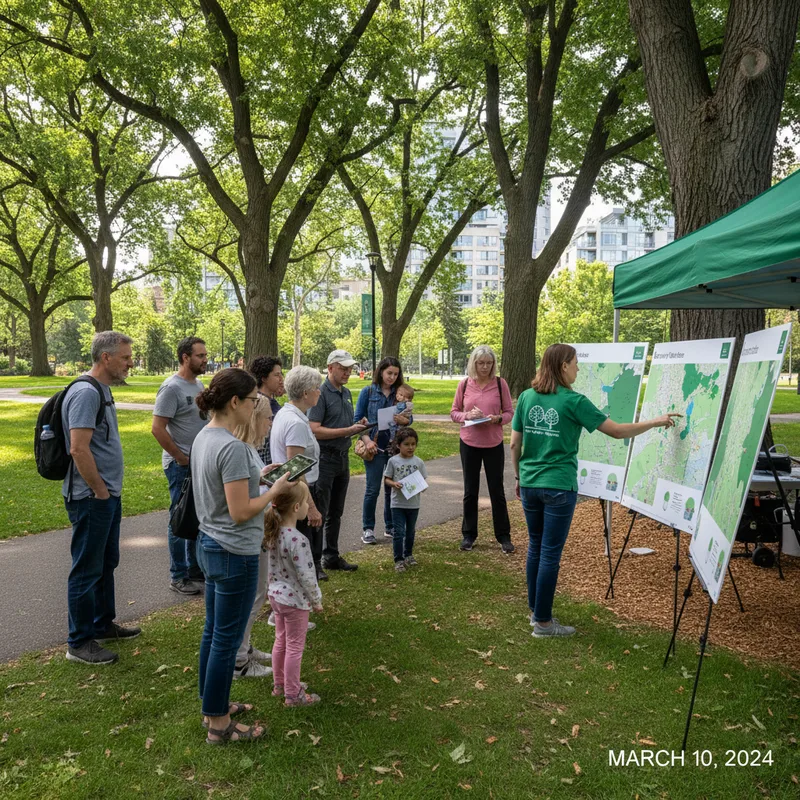
The City of Kitchener has launched a public consultation to expand its environmental stewardship programs. Officials are asking residents to help shape the future of the Kitchener Natural Areas Program (KNAP) through a survey closing on March 15. The initiative focuses on how the city manages its urban forest and natural spaces. Currently, KNAP provides nature-based wellness sessions and educational workshops. The expansion aims to introduce more hands-on volunteer roles and specific learning opportunities for the public. According to the City of Kitchener, the feedback gathered will dictate the design of new programs later this year. The city is looking for ways to get more people involved in protecting and enhancing local tree canopies. Residents can submit their ideas via the EngageWR platform.
Impact on the urban forest
Kitchener manages thousands of hectares of parks and woodlands. The urban forest is a critical part of the local infrastructure, helping with stormwater management and heat reduction. As the city grows, maintaining these areas requires more than just municipal staff. The proposed expansion of KNAP suggests a shift toward more formalised volunteer stewardship. This could include invasive species removal, tree planting, or monitoring local wildlife habitats. Other jurisdictions have seen success with similar models where residents take ownership of specific local patches. This move comes as environmental groups across the province seek more resources for conservation. By involving the public directly, the city hopes to build a more resilient natural network.
Youth involvement and education
Education is a central pillar of the current KNAP framework. The city currently offers "nature-based wellness experiences" which focus on the mental health benefits of spending time in green spaces. The new data will help determine if the public wants more technical training or general awareness sessions. Young people are a specific target for these new initiatives. The city is also currently accepting nominations for the KYAC Youth Awards, which celebrate leaders between the ages of 14 and 24. Many past nominees have been involved in local climate action and conservation work. Engagement with younger residents often leads to long-term volunteer retention. In other regions, similar programs have successfully linked outdoor education with career development. For example, some Australian cities have implemented coached outdoor sessions to engage youth in public spaces, showing the value of structured outdoor activity.
Registration and next steps
The window for feedback is short. Residents have until mid-March to weigh in on the types of activities they would like to see. Once the consultation period ends, staff will compile a report for council to review. This scheduling aligns with the city's broader spring rollout. Registration for general spring recreational programs is set to begin on March 10 for local residents. Those interested in the new KNAP offerings will likely see the results of this consultation in future seasons. The city’s official website, kitchener.ca, will host updates on the project’s progress. Staff are encouraging anyone who uses city parks to participate, regardless of their previous environmental experience. The drive to improve natural spaces matches trends seen in other major centres. Similar efforts to prioritise public spaces and cultural heritage can be seen in the National Heritage List updates in Australia, where outdoor environments are increasingly recognised for their civic value.
A focus on stewardship
Stewardship differs from simple park use. It involves a commitment to the maintenance and long-term health of the land. The City of Kitchener is testing the appetite for this deeper level of involvement among its population. Questions in the consultation ask residents what barriers prevent them from volunteering. Common issues in urban stewardship include lack of time, lack of tools, or a need for better training. The city intends to address these hurdles in the revamped program. Expanding the urban forest is a key goal for the municipal government. Trees in Kitchener face threats from pests, urban heat, and development. A larger volunteer base could provide the necessary labour to maintain young trees until they are established. The final program design is expected to be announced following the analysis of the EngageWR survey results. Council will then determine the budget allocations for any new permanent stewardship positions or equipment.