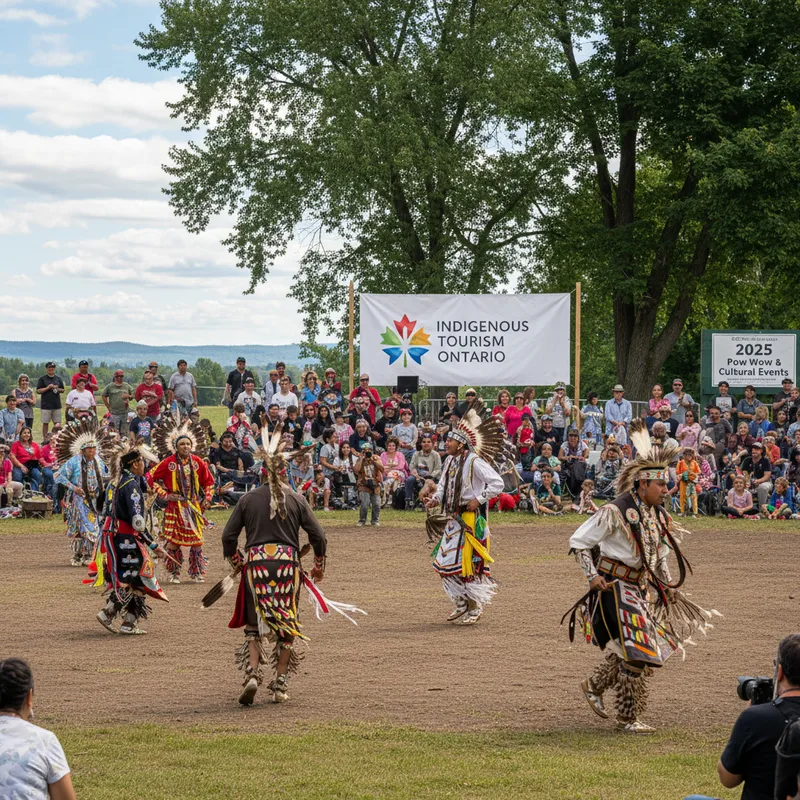
Indigenous Tourism Ontario has released its 2025 pow wow calendar, marking a summer season of cultural events across the province. The schedule includes gatherings throughout Northern Ontario, featuring traditional dancing, music, and food. The calendar covers regions including Algoma Country, Sunset Country, and Superior Country. Organisers say these events are open to both Indigenous and non-Indigenous visitors. They serve as a platform for sharing traditions and supporting local artists and makers. Pow wows are often hosted by First Nations and feature competitive dancing, drumming, and regalia. These events hold central importance for cultural preservation and provide significant economic benefits for host nations through tourism and trade.
Guidelines for visitors
Indigenous Tourism Ontario (ITO) and Northern Ontario Travel have also published advice on etiquette for those attending a pow wow for the first time. The guidelines are designed to ensure the ceremonies are respected as spiritual and cultural events rather than just entertainment. Visitors are reminded that the master of ceremonies will lead the event. People should stand during grand entries, prayers, and specific songs. Photography is often restricted during certain sacred ceremonies, and visitors should always ask permission before taking photos of individuals. The regalia worn by dancers is not a costume. Each piece often has deep personal or spiritual meaning and should never be touched without consent. These rules help maintain the atmosphere of the ceremonial gatherings held across the province.
Supporting indigenous businesses
Beyond the events themselves, the province is seeing a rise in Indigenous-owned tourism operators. In Northwestern Ontario, these include fishing lodges, canoe outfitters, and hostels. These businesses allow visitors to engage with the land through a traditional lens. In Algoma Country, several Indigenous makers and chefs have established permanent operations. These businesses focus on authentic experiences, ranging from guided outdoor tours to culinary offerings. This growth mirrors trends in major international cities where cultural tourism is becoming a primary draw for travellers. The Indigenous Tourism Ontario website provides a directory of these businesses. The organisation aims to help travellers find authenticated experiences that directly benefit the First Nations where they are located.
Historical and seasonal connections
The summer season also highlights permanent cultural sites like the Kay-Nah-Chi-Wah-Nung Historical Centre. Located in Northwestern Ontario, the site is home to the Manitou Mounds, a significant Indigenous burial area. Visitors can tour the location to learn about the history of the Rainy River First Nations. Indigenous agriculture and harvesting also remain a point of interest for many visitors. Giizhigat Maple Products, an Anishinaabe and Kanyen’keha’:ka-owned business, continues to use traditional methods for maple syrup production. This connection to the land is a recurring theme in regional events, such as the TRCA maple festivals held in other parts of Ontario. Environmental stewardship is another common thread among these cultural sites. For example, similar priorities are seen in southern regions, such as when Brantford seeks nominations for its annual awards. The focus often remains on preserving natural resources for future generations.
Planning the summer season
The 2025 calendar is now available online, though specific dates can change depending on local community decisions. Prospective visitors are encouraged to check with individual First Nations for exact start times and locations. Most pow wows occur during the weekends between June and September. These events generally take place outdoors and are subject to weather conditions. Indigenous Tourism Ontario will update its digital listings as the season progresses.